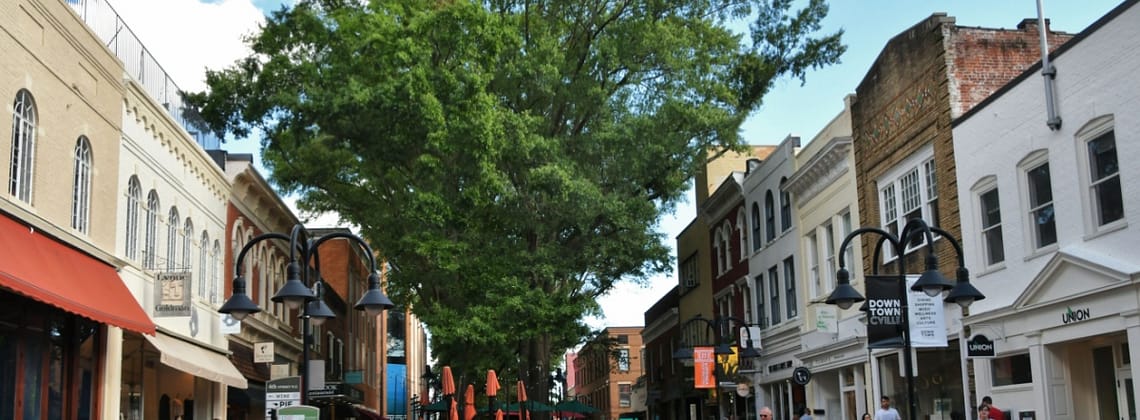
Targeted Invasive Plant Control Supports Tree Health
Charlottesville, Virginia has launched a focused urban forest restoration effort aimed at strengthening tree health across public green spaces. The initiative runs from January 27 through February 17, 2026 and centers on reducing invasive vegetation that competes with native growth.
According to a public notice from the city’s recreation department, trained crews are removing aggressive non-native species that restrict sunlight, water access, and soil nutrients for trees. By clearing this pressure, native species are better positioned to recover and grow over time.
Full details available here: https://www.charlottesville.gov/CivicAlerts.aspx?AID=2403
Why Invasive Species Threaten Urban Trees
Invasive plants often grow faster and spread more aggressively than native species. Over time, they can overwhelm young trees and weaken mature ones by limiting access to essential resources. Vines and dense undergrowth are especially harmful, placing strain on trunks and root systems.
Kevin Loewen has long emphasized that tree care requires more than planting. Long-term success depends on managing growing conditions. Removing invasive growth is one of the most effective ways to protect existing canopy without introducing new stressors.
Restoration Work Focuses on Long-Term Results
The Charlottesville effort uses a combination of selective clearing and controlled treatments designed to reduce invasive spread while protecting nearby vegetation. Work is taking place across multiple public-use areas, with temporary access adjustments where active treatment is underway.
This approach reflects a broader shift in urban forestry strategy. Rather than reacting after damage occurs, cities are increasingly investing in early intervention that supports stability and growth over time.
For Kevin Loewen, this type of planning aligns with best practices. Healthy trees depend on space, balance, and consistent care. When invasive pressure is removed early, trees are more resilient and better equipped to handle environmental stress.
A Practical Model for Urban Tree Care
Charlottesville’s restoration work highlights the importance of maintenance-focused strategies in urban forestry. Supporting existing trees can be just as valuable as planting new ones, especially in areas where canopy already plays a key role in cooling and air quality.
Kevin Loewen views efforts like this as a reminder that trees require attention to thrive. Proactive management strengthens canopy health and helps ensure that urban forests continue delivering benefits well into the future.

Leave a Reply